
Real estate · · 4 min read
Qatar’s Real Estate Sector Moves Decisively Towards Environmental Sustainability
More than 2,700 projects covering over 3.1 billion square feet are committed to the Global Sustainability Assessment System. Green building certification is already a condition of occupancy for new offices above 2,000 square metres.
WRITTEN BY
ESG Qatar Editorial
Hawkama International
Key takeaways
- Qatar Green Building Council rules 2015 make GSAS certification a condition of occupancy approval for new offices over 2,000 square metres.
- Over 2,400 projects in Qatar are registered for GSAS, with more than 200 million square feet of certified buildings.
- Certified projects include every FIFA World Cup Qatar 2022 stadium, Lusail City, Education City and all government projects.
- Developers are incentivised with extra permitted floor area for solar panels and green roofs.
- Barwa Real Estate published its first sustainability report against GRI and SASB.
- Msheireb Properties, with Cundall, built a portfolio-wide decarbonisation strategy across more than 100 buildings, targeting Scopes 1, 2 and 3 against SBTi.
Qatar’s property sector has recognised the need for an integrated approach to carbon neutrality, green buildings and ESG standards, driven by an ambitious national vision, binding regulatory frameworks and pioneering projects that are setting new benchmarks in the region. Engineer Nasser Hassan Al-Ansari chairs Just Real Estate, one of the largest property developers in the State of Qatar.
This report reviews the government’s work on the legislation, and then some of the projects in both the public and private sectors that have committed to good practice in green construction.
The regulatory and governmental framework
Qatar’s direction on property sustainability rests on national legislation and strategy. Qatar National Vision 2030 and the Third National Development Strategy together form the overarching framework that steers all development effort, property included, towards a balance between economic growth and environmental protection, and towards securing quality of life for coming generations.
- Binding green building legislationThe Ministry of Municipality and Environment issued the Qatar Green Building Council rules for 2015, which oblige every new office project larger than 2,000 square metres to obtain GSAS certification as a condition of occupancy approval. That sets mandatory standards for energy performance, water efficiency and sustainable materials.
- Incentives for developersDevelopers are encouraged to adopt green building practice through concrete incentives, such as an increase in the permitted built area where technologies like solar panels and green roofs are installed.
- GSAS, the local sustainability standardGSAS is the cornerstone of Qatar’s property sustainability effort: an integrated performance assessment system developed by the Gulf Organisation for Research and Development specifically for the challenges of the Middle East and North Africa. Adoption is wide - more than 2,400 projects in Qatar are registered for GSAS certification, with a total of more than 200 million square feet of certified buildings, which places Qatar among the region’s highest performers on the system.
A large number of the major certified projects are visible ones: every FIFA World Cup Qatar 2022 stadium, Lusail City, Education City, the Qatar Museums Authority projects, and all government projects.
The private sector: from compliance to leadership
The private sector is going beyond regulatory compliance and towards ambitious sustainability and governance strategies:
- Property ESG reportingBarwa Real Estate Group published its first sustainability report, aligned with the Global Reporting Initiative (GRI) and the Sustainability Accounting Standards Board (SASB), reflecting its commitment to the ESG standards adopted by the Qatar Financial Markets Authority - an important step towards transparency and measured sustainable performance.
- Strategic partnershipsThe Qatar Investment Authority, the sovereign wealth fund, acquired a 49% stake in Msheireb Properties, a leader in sustainable city development, with the aim of accelerating expansion in smart, sustainable and human-centred urban projects. The investment strengthens Qatar’s position as a global centre for sustainable development.
- Leading on decarbonisationMsheireb Properties, in partnership with the global sustainability consultancy Cundall, developed the first comprehensive portfolio-wide decarbonisation strategy for Msheireb Downtown Doha. It covers a precise carbon footprint analysis across more than 100 buildings; detailed action plans targeting emissions reductions across all scopes (1, 2 and 3) in line with the Science Based Targets initiative (SBTi); and providing tenants with detailed building emissions data to support their own decarbonisation goals.
Msheireb Downtown Doha as a model
Msheireb Downtown Doha, developed by Msheireb Properties, is a leading applied model of the sector’s commitment to sustainability in practice.
- International awardsThe city won prizes including “Sustainable Development of the Year” and “Excellence in Smart City Master Planning” at the 2025 Asia Property Awards.
- Energy efficiencyIts buildings were designed to be climate-responsive, contributing to a reduction in energy consumption of up to 30%, and it holds a high concentration of buildings certified under LEED.
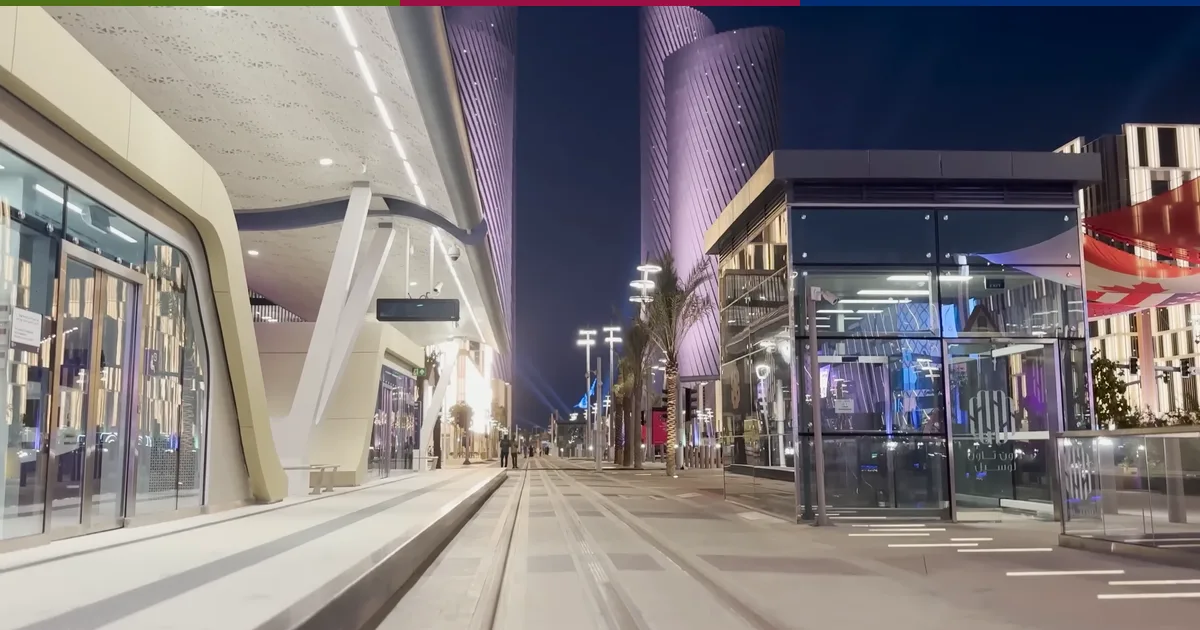
- Smart infrastructureThe city runs on an advanced network of 430 km of fibre optics, more than 650,000 connected IoT devices, an environmentally friendly tram system and smart parking solutions, all designed to reduce reliance on private vehicles and cut emissions.
Qatar’s property sector is moving steadily from the stage of setting regulatory frameworks to the stage of practical implementation and innovation, with leading models that are setting new sustainability benchmarks for the region.
TOPICS
- GSAS certification Qatar
- green building regulations Qatar
- Msheireb Downtown Doha decarbonisation
- real estate ESG reporting
- LEED buildings Qatar