
EU policy · · 3 min read
EU Commission Launches Legal Action Against All 27 Member States for Failing to Implement Zero Emission Building Law
The European Commission has opened infringement procedures against all 27 member states over the zero-emission buildings directive - evidence that the EU treats its sustainability rules as enforceable law rather than voluntary ambition.

WRITTEN BY
Mark Segal
FounderESG Today
Key takeaways
- The Commission has sent letters of formal notice to all 27 member states; on its own account, not one of them has fully transposed the directive into national law.
- The transposition deadline was 29 May 2026 - it has already passed.
- All new residential and non-residential buildings must have zero on-site fossil fuel emissions by 2030; publicly owned buildings by 2028.
- Boilers powered by fossil fuels are to be phased out completely by 2040, and the EU building stock is to be zero-emission by 2050.
- Residential primary energy use must fall 16% by 2030 and 20-22% by 2035, with at least 55% of the reduction coming from renovating the worst-performing buildings.
- Member states have two months to respond; the Commission may then issue a reasoned opinion and ultimately refer the matter to the Court of Justice with a request for financial penalties.
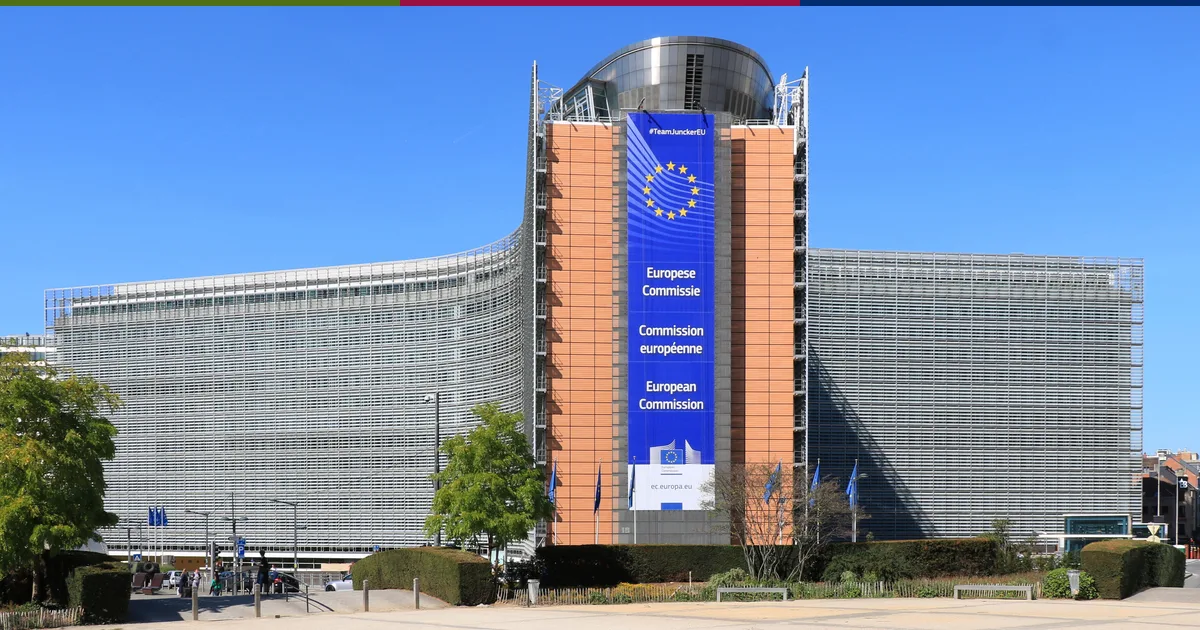
The European Commission announced that it has sent letters to all 27 EU member states, opening infringement procedures over the states’ failure to fully transpose into their national laws the new rules aimed at achieving a zero-emissions building stock across the EU by 2050.
Adopted by European lawmakers in 2024, the updated Energy Performance of Buildings Directive (EPBD) introduced a series of rules aimed at reducing energy use and emissions from buildings across the EU, including targets for all new buildings to be zero emissions by 2030, and to phase out the use of fossil fuels in building heating systems by 2040.
The key provisions of the updated directive
- All new residential and non-residential buildings must have zero on-site emissions from fossil fuels by 2030, with publicly owned buildings required to reach that milestone by 2028.
- Member states must set out measures for phasing fossil fuels out of the heating and cooling of buildings, with a view to the complete phase-out of fossil-fuel-powered boilers by 2040.
- The directive envisions a zero-emissions EU building stock by 2050.
The legislation also sets goals to phase out or improve the lowest-performing buildings. Member states must adopt a national trajectory for residential buildings that reduces primary energy use by 16% by 2030 and by 20-22% by 2035, with at least 55% of the decrease achieved through the renovation of the worst-performing buildings. For non-residential buildings, minimum energy performance standards must lead to renovating the worst-performing 16% by 2030 and the worst-performing 26% by 2033.
Measures supporting a renovation wave
- Member states must establish national building renovation plans to decarbonize their building stock and address barriers such as financing, training and attracting more skilled workers.
- They must also set up national building “renovation passport” schemes to guide building owners through staged renovations toward zero-emission buildings.
The deadline has already passed
The deadline for member states to notify the EU Commission of their transposition of the EPBD was 29 May 2026. In its notice, however, the Commission indicates that none of the EU member states have fully transposed the directive into national law.
How an infringement procedure escalates
Under EU infringement procedures, the Commission may take legal action against member states that fail to implement EU laws, starting with a letter of formal notice. Following the letter, the Commission may send a reasoned opinion with a formal request to comply with the law, and then may refer the matter to the Court of Justice and ask the court to impose penalties.
Following the Commission’s action to send the letters, the member states have two months to respond and to complete the transposition, after which the Commission may send a reasoned opinion.
What the Commission said
In its statement announcing the opening of infringement procedures, the Commission said: “Buildings are the single largest energy consumer in Europe. Transposition and implementation of the EPBD is key to boosting the EU’s current very low annual energy renovation rate (1%), reducing bills for citizens and businesses and the EU’s dependence on imported fossil fuels, and achieving a zero-emission and fully decarbonized building stock by 2050.”
TOPICS
- Energy Performance of Buildings Directive
- Zero-emission buildings
- EU infringement procedures
- Fossil fuel boiler phase-out
- Building renovation passports