
US policy · · 4 min read
An Anti-ESG Wave in the United States
Federal climate rules are being withdrawn while California legislates its own, and more than 190 anti-ESG bills have been tabled across the states. For multinationals, the result is dual compliance: a retreating US federal floor, strict state law, and a binding European rulebook.
WRITTEN BY
ESG Qatar Editorial
Hawkama International
Key takeaways
- The US approach is market-led and politically volatile, in sharp contrast to the EU’s binding, unified rulebook.
- The administration began withdrawing from the Paris Agreement for a second time in early 2025.
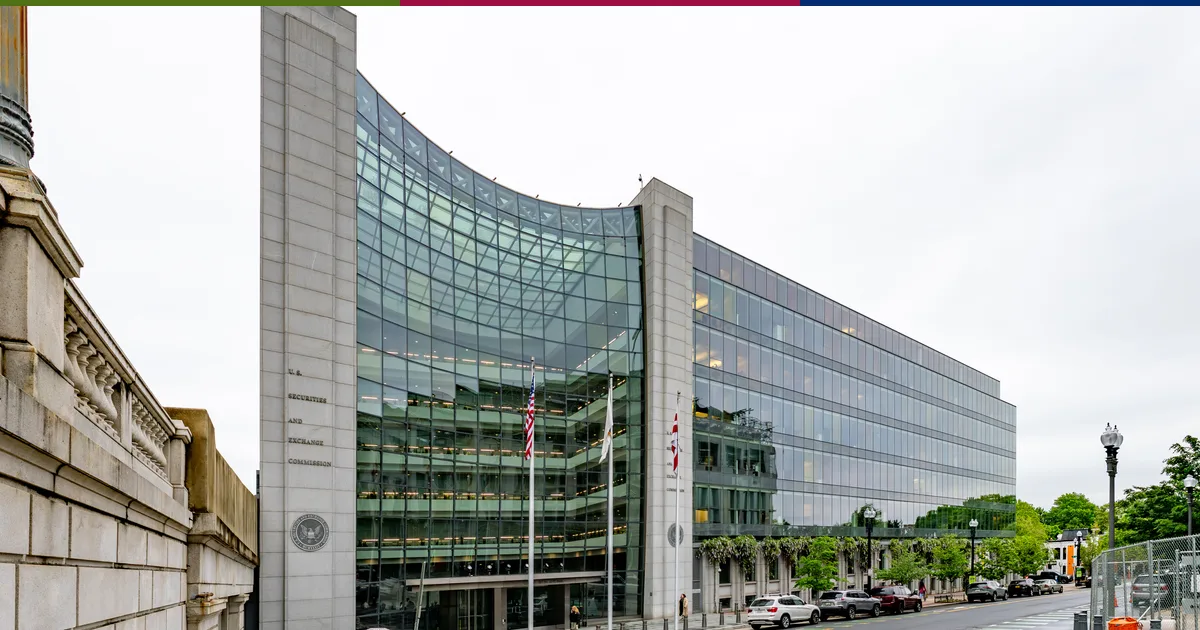
- The SEC climate disclosure rule adopted in March 2024 was stayed, then abandoned when the Commission said it would no longer defend it.
- California has become the effective regulator: SB 253 on emissions and SB 261 on climate-related financial risk.
- More than 190 anti-ESG bills have been tabled in various states; a federal court struck down Texas’s proxy-advice law as unconstitutional.
- Multinationals face dual compliance, and US filers have begun trimming “surplus” sustainability sections while keeping material climate risk.
The American approach to ESG (environmental, social and governance) standards stands in sharp contrast to the more regulated European one. It is moving towards a market-based approach, a reduction in federal regulatory burden, and fierce political argument at state level. Where Europe seeks to impose binding, unified law, the United States is seeing a retreat from federal rules alongside a rising role for the states and open political resistance to sustainability-linked issues - which creates a complex, shifting landscape for the companies operating there.
Policy contradictions: federal repeal against state legislation
- Withdrawal from global agreementsIn a move that reflects a fundamental shift in policy, the current US administration began withdrawal proceedings from the Paris climate agreement for the second time at the start of 2025, justifying it by the primacy of the national economy. That runs directly counter to the European Union’s settled commitment to the agreement and to its binding climate targets, such as a 55% emissions reduction by 2030.
- Federal rules haltedAt federal level a number of major regulatory initiatives have been repealed or frozen. The climate disclosure rule of the Securities and Exchange Commission (SEC), adopted in March 2024 to standardise disclosure of climate risk and greenhouse gas emissions, was stayed; the Commission then announced in July 2025 that it would not defend it, which marks the effective end of the rule. The Department of Labor rule issued under the Biden administration, which expressly permitted retirement plan managers (ERISA) to consider ESG factors in their investment decisions, is now being rolled back, with the department announcing its intention to replace it with a new rule restricting that.
- State legislation as the working substituteIn the absence of federal regulation, California has emerged as the principal regulator, enacting its own laws. Chief among them: the greenhouse gas emissions disclosure law (SB 253), which obliges companies with annual revenue above USD 1 billion doing business in California to disclose Scope 1 and 2 emissions by 2026 and Scope 3 from 2027; and the climate-related financial risk disclosure law (SB 261), which obliges companies with revenue above USD 500 million to disclose their climate financial risks.
A bitter political and legal fight
The American approach exposes a deep political division, in which ESG law is used as a card in an intensifying contest between the conservative and progressive currents.
- The anti-ESG waveRecent years have seen more than 190 “anti-ESG” bills tabled in various states, aimed at restricting or prohibiting the use of environmental and social factors in public investment decisions or in public contracting.
- The “boycott” lawsStates such as Texas have passed laws penalising asset managers deemed to be “boycotting” the fossil fuel industry, and others obliging proxy advisers to provide a “specific” financial analysis for any recommendation while restricting recommendations grounded in “non-financial” factors such as ESG. A federal court has held that Texas law unconstitutional.
- The court challengesCalifornia’s ambitious laws also face challenges from chambers of commerce and industry groups. An appeals court has ordered the climate-related financial risk law (SB 261) temporarily suspended while allowing the emissions law (SB 253) to proceed.
Consequences for companies: the reality of dual compliance
This divergence creates a substantial challenge for multinational companies, which find themselves obliged to comply with two standards at once: on one side a retreating or absent US federal rulebook alongside strict state laws such as California’s, and on the other the strict and binding European laws - the disclosure and due diligence directives (CSRD and CSDDD) - which apply to any company with significant activity in Europe. That has produced a marked shift in US corporate disclosure practice: companies have begun trimming the “surplus” sustainability sections of their annual reports, while disclosure of climate-related risk remains a core element wherever it is material to the business.
On the evidence, the American approach to ESG is neither coherent nor stable. It is politically volatile, and tends towards shrinking the federal regulatory role in favour of market forces and the states, in an environment marked by sharp legal and political conflict.
That reality makes anticipating future developments, and building compliance strategies that are both flexible and precise, among the largest challenges facing companies and investors in the United States.
TOPICS
- anti-ESG legislation United States
- SEC climate disclosure rule
- California SB 253 and SB 261
- ERISA ESG investment rule
- CSRD and CSDDD extraterritorial scope