
Sponsors · · 4 min read
A Qatari Beauty Centre Becomes a Silver Sponsor of the ESG Conference
Al Mashata’s sponsorship prompted a closer look at an industry moving past the language of “natural” and “pure” into measurable ESG: scientific impact scoring, full-lifecycle certification, green chemistry and supply-chain transparency.
WRITTEN BY
ESG Qatar Editorial
Hawkama International
Key takeaways
- Al Mashata, founded in Qatar in the mid-1990s, is a silver sponsor of the conference.
- EcoBeautyScore brings together more than 70 companies on one rating system that analyses 16 environmental dimensions and grades products A to E.
- YSL Beauty’s Nu line holds Cradle to Cradle Certified at silver level, assessed on material safety, reuse, renewable energy, water and social fairness.
- COSMOS version 4.2 counts only certifiable organic ingredients, excluding water and minerals, which narrows the room for greenwashing.
- Credo Beauty’s Credo Qualified standard bans more than 2,700 chemicals and requires fragrance-ingredient transparency and carbon reduction commitments.
- The unresolved problems are cost for smaller firms and the absence of one unified global standard.
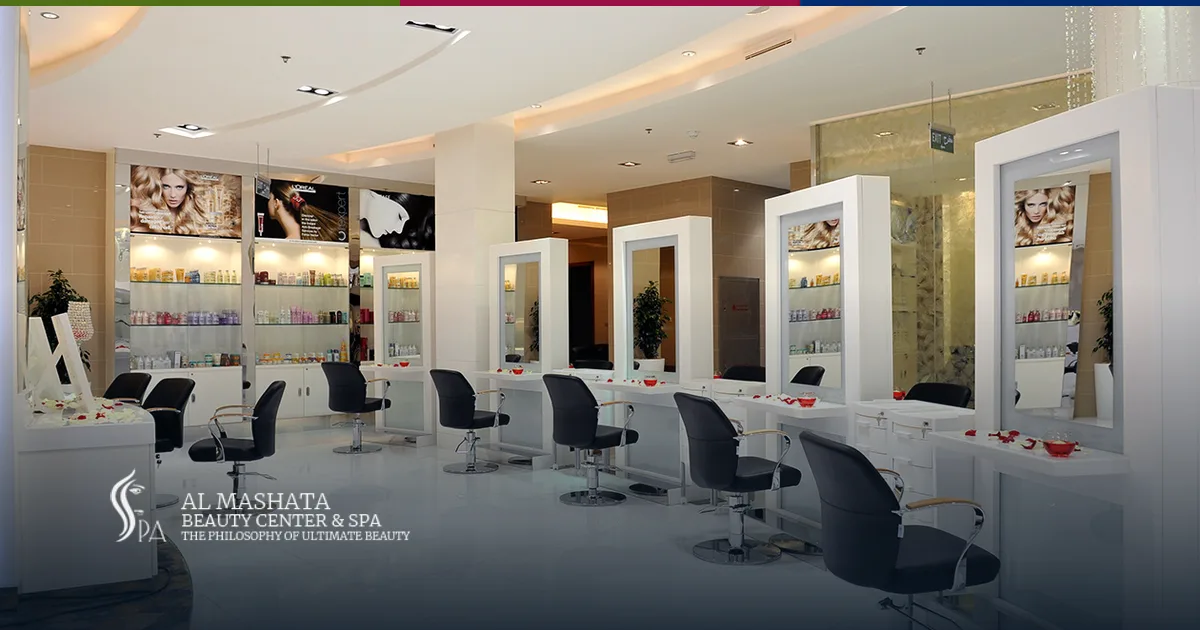
Ms Huda Hassan Al-Ansari, owner of one of the largest beauty centres in the State of Qatar, Al Mashata, has announced her silver sponsorship of the Conference on Environmental, Social and Governance standards. She said she had responded to the sponsorship request because ESG standards have become a primary driver in the beauty industry.
Al Mashata was founded in Qatar in the middle of the 1990s and now stands as one of the most successful private commercial ventures in the country.
Ms Al-Ansari’s decision to sponsor this conference prompted us to look more deeply into the effort and the obstacles facing the beauty sector as it keeps pace with global trends in environmental, social and governance commitments. What we found is a sector undergoing deep change, moving past talk of “natural” or “pure” and into ESG standards in a substantive, measurable form.
These are no longer a marketing posture. They have become a competitive necessity, both to build consumer trust and to keep up with tightening legislation. Below are the main axes the sector is relying on.
Measuring environmental impact transparently
The beauty sector is approaching sustainability through scientific tools that assess and measure a product’s environmental footprint across its full life cycle. A global initiative, EcoBeautyScore, brings together more than 70 companies with the aim of providing one unified rating system. It analyses 16 environmental dimensions covering manufacture, transport, use and even the post-consumption stage, and awards products a grade from A (lowest impact) to E (highest impact) to make comparison within a product category straightforward.
Redefining the product life cycle: the circular economy
Companies have moved past the idea of “reducing harm” towards designing products with a positive effect.
- Advanced product certificationYSL Beauty’s Nu line obtaining Cradle to Cradle Certified at silver level is a leading example. The certification assesses five main axes: material safety, material reuse, renewable energy use, water stewardship and social fairness.
- Stricter standards for organic ingredientsThe COSMOS standard, run by leading bodies such as Ecocert and the Soil Association, is the primary reference for organic and natural cosmetics. It was recently updated to version 4.2 to count only ingredients that are certifiable as organic, excluding water and minerals, which gives the consumer a more accurate picture of a product’s actual organic content and works against greenwashing.
Innovation in ingredients and green manufacturing
Manufacturing is undergoing a fundamental shift towards green chemistry and ethical practice:
- Reducing the chemical footprintManufacturers are moving to replace contested substances such as PFAS and parabens with alternatives that are safer for the environment and for health.
- Supply chain transparencyCompanies are now required to trace the origins of their key ingredients, such as mica and palm oil, to ensure they are free of child labour and are not causing deforestation, and to work directly with local communities to improve livelihoods.
- Unified manufacturing standardsLeading beauty retailers such as Credo Beauty have launched Credo Qualified, a unified standard for cosmetics manufacturers that includes banned lists covering more than 2,700 chemicals, strict product safety requirements, transparency on fragrance ingredients and carbon reduction commitments.
Corporate governance: the social side of ESG
The ESG approach covers the social dimension through comprehensive assessment of company performance. EcoVadis ratings are one route: companies such as Lipoid Kosmetik obtaining a platinum medal from EcoVadis, which places them in the top 1% of assessed companies, demonstrates measurable commitment across environment, labour and human rights, ethics and sustainable procurement.
The challenges, and what comes next
For all the progress, the sector faces real difficulties:
- Cost against effectivenessSmaller companies find the cost of auditing and of innovating new materials hard to carry, which risks opening a competitive gap with the large firms.
- The need for one unified global standardSome manufacturers argue that the multiplicity of standards and of demands from every direction adds complexity and cost without real benefit, and they call for clear governmental standards to bring the effort together.
TOPICS
- ESG in cosmetics
- EcoBeautyScore
- COSMOS organic certification
- green chemistry and PFAS substitution
- supply chain transparency mica palm oil